Zimbabwe
"Hapamihwe-mihwe pano!"
"You can't just stop here," the officer said. But there was no sign, just as there is no water, no drought plan and no respect. The state shows up to demand, and goes missing when it's time to deliver.
Well into the Masvingo road, driving home with my mother and father, my father told me I was speeding. This stretch, he said, is eighty. There was no sign saying so. I slowed down anyway, and a little further on we passed a police crew pulling cars onto the verge and writing fines.
It wasn't the first time. At the corner of Samora Machel and ED Mnangagwa, I went through a dead robot, dark on our side, and two ZRP officers on a motorbike followed me to say I had run a red. Another day I pulled over on an open road to make a call. Municipal police took my keys. Hanzi hapamihwe-mihwe pano: you can't just stop here, anyhow. I asked to see the sign. There wasn't one to show. The car was going to be held for two weeks and cost about five hundred dollars. It's my father's car, and we use it to take him to his doctors.
For a while I thought this was a story about traffic. It isn't. The traffic stories are just the moments when you meet the pattern face to face. In our relationship with our own government, the sign that's missing is respect.
A state that shows up only to collect
Look at where the government is present in an ordinary Zimbabwean's life, and where it's absent.
It is present at the roadblock, with a receipt book. It is present at eight in the evening, telling shop owners to close, and at six, telling vendors to get off the CBD streets. It is present in your EcoCash transaction with huge taxes. It is present with orders that homeowners must beautify their buildings. It came to Makoni market with the equipment to raze it, in the name of clearing informal traders, as if the traders had somewhere else to go.
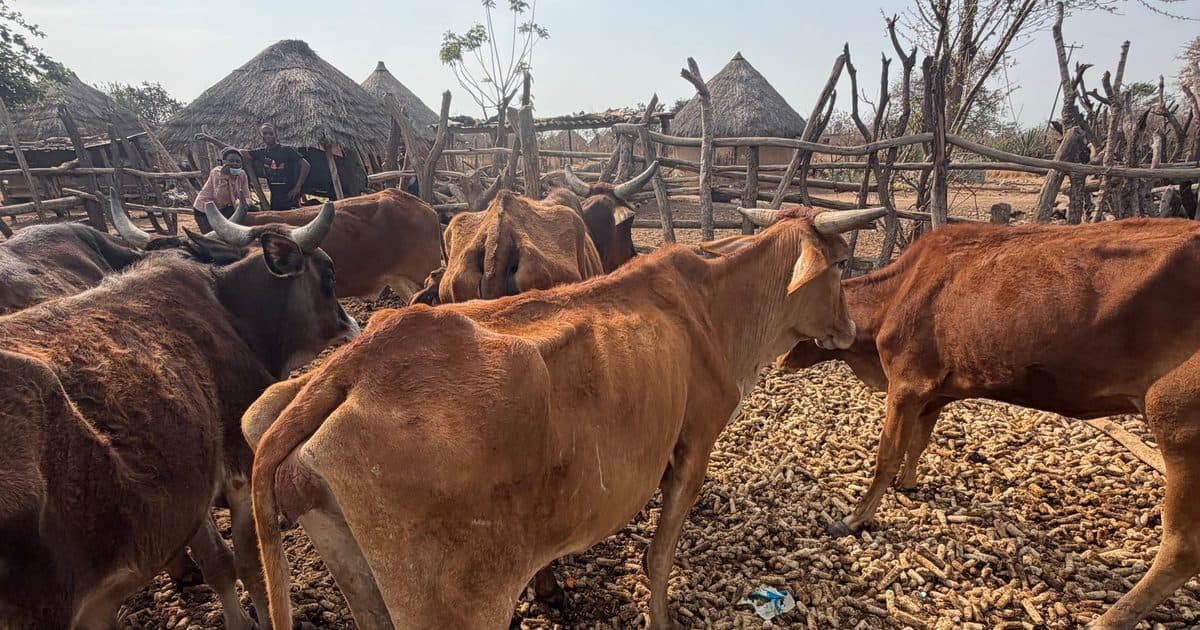
Now look at where it's absent. It is absent from the taps in Kuwadzana, which still don't run. It is absent from the rural areas, where the drought is killing cattle. My father has lost five, and the rest are thinning. With a hard El Niño season coming, families are already going hungry. It is absent from the robots that don't work and the signs that were never put up. And while all of this is happening, there is time and money for celebrations and new public holidays.
A government that shows up only to demand isn't governing. It's collecting. The citizen has become a source of fines, fees and compliance, not a person to be served.
What respect would actually look like
Respect isn't a feeling. In government it's a set of habits, and you can see whether they're there.
Tell people before you punish them. A rule nobody can see isn't a rule. It's a trap. The same goes for a by-law nobody was consulted on, an operation announced only to the people caught in it, or a curfew on trading hours issued without warning. If the state wants people to comply, it has to make compliance possible.
Deliver before you demand. A council that can't supply water has a weak case for ordering residents to repaint their walls. A government that hasn't planned for a drought everyone saw coming has little standing to throw a party. Services come first. Demands follow.
Listen before you decide. The vendor at Makoni wasn't a problem to be cleared. She was a citizen earning a living in an economy that offered her nothing better. Clear her stall without offering an alternative, and you haven't created order. You've created hunger with tidier edges.
Account for every dollar. If a city can run a campaign against "non-compliant motorists," it can publish what the campaign collected and what the money bought: how many signs, how many working robots, how many metres of water pipe. The public is paying. The public should be able to read the bill.
None of this needs a new ideology. It needs officials to remember who hired them.
Reset the good
There's a deeper problem underneath the policy, and it isn't only in government. Somewhere along the way, being a good person stopped being the default. Theft, petty and grand, has become ordinary. When the people at the top treat public office as an opportunity, the officer at the roadside learns the lesson quickly, and so does everyone else. A society copies the manners of those who lead it.
So the reset has to start with a simple standard. A good official, like a good neighbour, doesn't profit from someone else's ignorance or hardship. He points to the sign. If there's no sign, he admits it and lets you go. He fixes the tap before he inspects the paint. He explains before he acts. We have lost that reflex in too many places. Laws alone won't restore it, but leaders can model it, and citizens can insist on it.
After my keys were taken, I wanted to phone the Mayor. A flu had taken my voice, so I'm writing instead, and asking the question here, of him and of everyone who holds public office: is this what you want to be remembered for?
Because the country I know is better than the way it's being governed. It's Zim beef off the grill at the gango, an afternoon at Pa Mereki, a cold Spa Letta Cherry Plum and a Pizza Inn Hawaiian. It's people who are generous, funny and patient, far more patient than they should have to be. They'll follow the rules. They're only asking the state to put the signs up, turn the water on, and treat them like the citizens they are.
Hanzi hapamihwe-mihwe. The officer was right, just not about me. As a country, we can't just stop here: at dry taps, dying cattle and fines for signs that were never put up. There is a better road. We deserve to be shown the way.