Technology & AI
That Exercise Book Had to Go!
My sister’s egg farm ran on an exercise book and a pencil. I built her an app, a website and a balance sheet, with one rule: nothing counts until the manager ticks it.
My sister Rachael and her husband run an egg farm in Ruwa, twenty-five minutes east of Harare. Two cottages, a few thousand hens, nine dogs and an exercise book. The exercise book was the problem. Every tray of eggs, every bag of feed and every bird that died went into it, by hand, in a kitchen, written by people who also had a church to run. When I asked how June had gone, the answer involved flipping pages and a pencil.
So I built them an app. Then a website. Then, because nothing ends where you plan, a set of accounts with a balance sheet. This is how that went, told by someone who did not write most of the code.
The rule that ran everything
I had one rule from the start: nothing posts without the manager's tick. A worker records three egg picks a day on her own phone, often with no signal. Rachael sees them in an inbox, approves them or sends them back with a reason, and only then do they count. Every total, every ratio and every report reads approved rows only. It sounds bureaucratic. It does the opposite, because it means someone who wasn't there can trust the numbers, which is the whole point of writing things down.
The second rule was that the app had to feel like WhatsApp, because that is the only software the farm already trusted. Rounds became chat bubbles. Approvals became a thumbs-up. There is a streak counter. I am not ashamed.
Then the cottages wanted a website
The farm has two three-bedroom houses that go on Airbnb. They are named Nokutenda and Tinotenda, after the children: "by faith" and "we give thanks", which is roughly the emotional range of running a farm. They needed a page that would make a family in Leeds or Johannesburg want to book, and that could also hold the farm app behind a login.
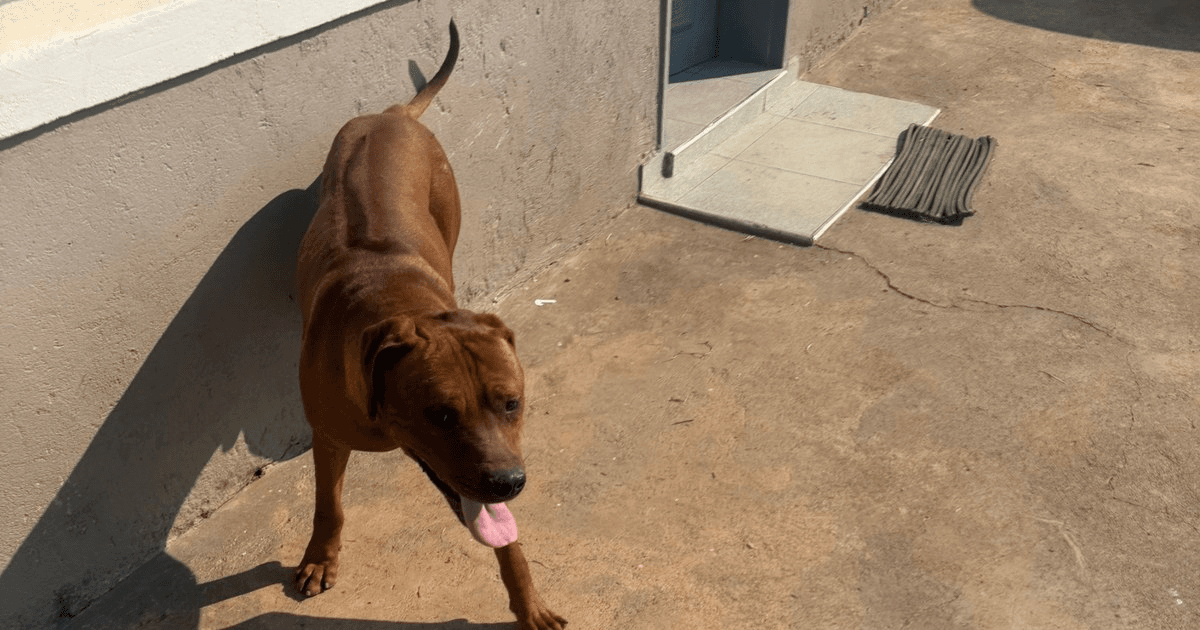
I asked for something clean, with Six Senses as the reference, and then spent an afternoon asking for the green and gold back. Design is mostly changing your mind in a defensible order. We landed on white space, the farm's own typeface, no shouty capitals and a strict ban on stock photography. Every picture on the site is a phone photo taken on the property: Member the Ridgeback inspecting luggage, sunsets that look faked and aren't, a kitchen with the gas bottle honestly in shot.
The parts I'm proudest of are small. A "copy pin" button for people arriving by inDrive. A section called Within 15 km of the gate, because guests ask. A reviews form that feeds the same inbox as the egg counts, so Rachael approves guest reviews the way she approves feed. One rule, everywhere.
What went wrong
Plenty. The site shipped with the wrong logo, with capital letters where the brand has none, and with a cottage named after the wrong child. The person with the strongest opinion on that subject caught it. I merged a pull request a minute before the fix landed, twice, and learned that GitHub does not reopen a door you've closed. The first version of the day-close logic insisted on three egg picks, which is right for a farm and wrong for a pastor's wife who sometimes picks twice because Sunday happened. The book's expense categories were "supplies" and "vehicle", while the accountant in the code wanted "litter, cleaning & biosecurity". The book won, with aliases.
The moment it felt real was the balance sheet. I had resisted it, since who needs double-entry bookkeeping for eggs, until Rachael asked whether her husband was owed money by the business or the other way round, and nobody knew. Now every sale, receipt, expense and loan becomes two ledger lines, and a test refuses to deploy if debits don't equal credits. The farm has a trial balance. The dogs remain unimpressed.
What I'd tell you
Start with the rule, not the screens. Ours was that the manager ticks everything. Yours will be different, but it will decide every other choice. Use the words people already use, like bags, trays, rounds and roora day, and never invent a number you don't have. If the lay rate can't be computed, show "needs verified count", not 0%.
And build it with the people who will use it looking over your shoulder. Rachael tested every screen between services. The worker found the bug I would never have found. Member found the stoep.
The eggs are better in person.
 papfungwa.vercel.app
Built by nexar, Nyamandi Ecosystems Africa Resources Limited. The farm's records, and the decisions in them, belong to the family.